

London Bridge Is Falling Down
From Wikipedia, the free encyclopedia
From Wikipedia, the free encyclopedia
Traditional
Published c. 1744
Form: Nursery rhyme
"London Bridge Is Falling Down" is a well-known traditional nursery rhyme and singing game, which is found in different versions all over the world. It has a Roud Folk Song Index number of 502.
Published c. 1744
Form: Nursery rhyme
"London Bridge Is Falling Down" is a well-known traditional nursery rhyme and singing game, which is found in different versions all over the world. It has a Roud Folk Song Index number of 502.
Lyrics
There is considerable variation in the lyrics of the rhyme. The most frequently used first verse is:
London Bridge is falling down,Falling down,
falling down.London Bridge is falling down,
My fair lady.
Build it up with iron bars,Iron bars, iron bars,
Build it up with iron bars,Iron bars, iron bars,
Build it up with iron bars,
My fair lady.
Iron bars will bend and break,Bend and break,
Iron bars will bend and break,Bend and break,
bend and break,Iron bars will bend and break,
My fair lady.
Build it up with gold and silver,Gold and silver,
Build it up with gold and silver,Gold and silver,
gold and silver,Build it up with gold and silver,
My fair lady.
Meaning and origin
Meaning and origin
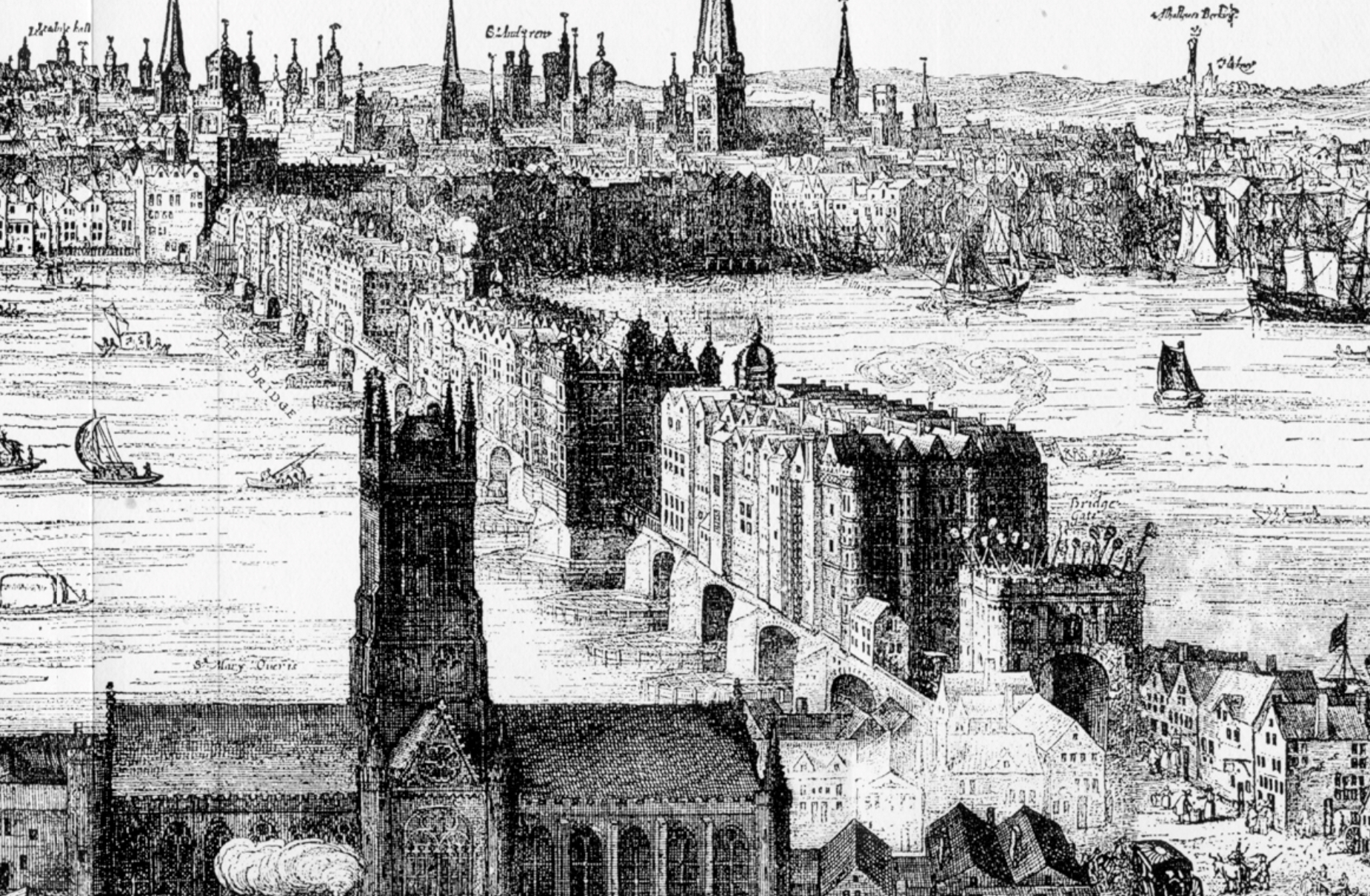
The meaning of the rhyme is not certain. It may simply relate to the many difficulties experienced in bridging the River Thames but a number of alternative theories have been put forward.
Viking attack theory
One theory of origin is that the rhyme relates to supposed destruction of London Bridge by Olaf II of Norway in 1014 (or 1009).
Age and damage theory
According to Walt Disney's The Truth About Mother Goose (1957) the rhyme refers to the deterioration of the original London Bridge (built in 1176, which had been considered a wonder of the world) due to a combination of age and the Great Fire of London of 1666. This original bridge was finally ordered demolished on 4 July 1823, when Royal Assent is given for Act to Rebuild London Bridge.
"Fair lady" identity
Several attempts have been made to identify the 'fair lady', 'lady gay', or lady 'lee/lea' of the rhyme. They include:
Matilda of Scotland (c. 1080–1118) Henry I's consort, who between 1110 and 1118 was responsible for the building of the series of bridges that carried the London-Colchester road across the River Lea and its side streams between Bow and Stratford.
Eleanor of Provence (c. 1223–91), consort of Henry III who had custody of the bridge revenues from 1269 to about 1281.
A member of the Leigh family of Stoneleigh Park, Warwickshire, who have a family tradition that a human sacrifice lies under the building.

Žádné komentáře:
Okomentovat